International Symposium on Data Technologies
(ISDT - 2026)
April 15 – 17, 2026
Islamabad, Pakistan
Organized by IT Directorate, NCP in Collaboration with ITU, Lahore
About Venue
ISLAMABAD - THE BEAUTIFUL
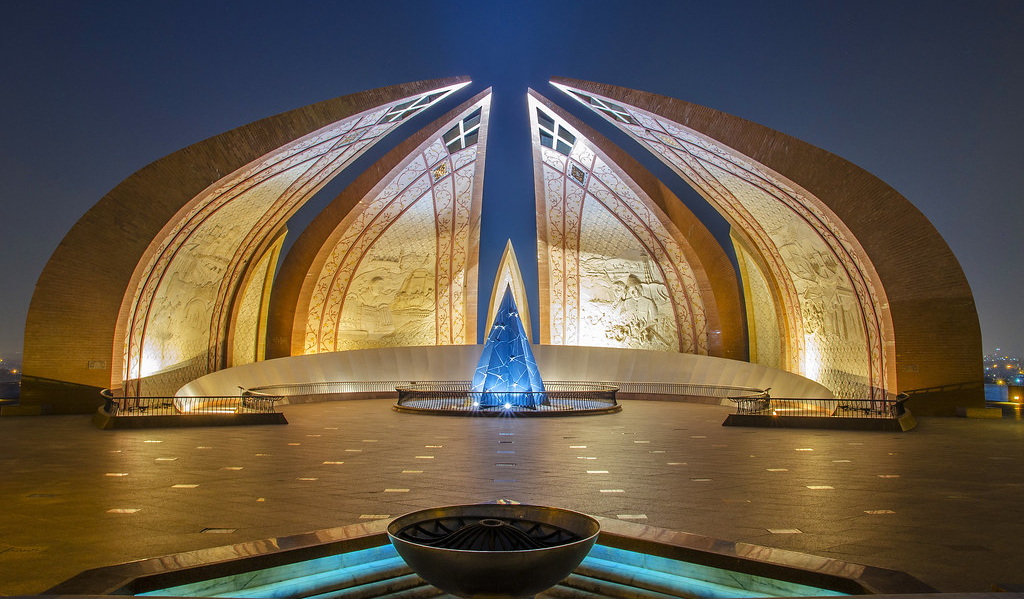
The emergence of Islamabad as Pakistan's capital in 1963 marked a deliberate shift from Karachi, strategically positioning the administrative hub on the Potohar Plateau in the northwest. Envisioned to be isolated from commercial activities while maintaining accessibility, the city, adjacent to Rawalpindi, distinguishes itself for its serenity and cleanliness amidst the country's vibrant urban landscape. The area's historical significance encompasses ancient settlements, the passage of significant caravans, and hosting monumental figures like Alexander the Great and Tamerlane. Following meticulous research in 1958, a commission selected a site northeast of Rawalpindi due to its climate, defense needs, and natural allure. The city's master plan, crafted by Doxiadis Associates, adopts a grid-based design facing the Margalla Hills, with plans for expansion to eventually encompass Rawalpindi and stretch westward from the Grand Trunk Road.
Divided into distinct zones—administrative, diplomatic, residential, educational, industrial, commercial, and rural areas—Islamabad's scenic landscape against the Margalla Hills offers a healthy climate, abundant water resources, and a diverse wildlife population including wild boars and leopards. As Pakistan's vibrant nucleus, Islamabad embodies the nation's dynamic spirit. Balancing modernity with traditional values, it encapsulates the country's aspirations and historical richness. It symbolizes a youthful nation's pursuit of progress while honoring its cultural heritage.

Location
14 kms north east of Rawalpindi on the north eastern fringe of the Potohar plateau of the province of Punjab.
Altitude
Lying at altitudes ranging from 457 to 610 metres.
Climate
Islamabad features an atypical version of a humid subtropical climate, with hot, humid summers accompanied by a monsoon season followed by cool winters.
| Season | Highest (°C) | Lowest (°C) |
|---|---|---|
| Winter (Oct - Mar) | 16° | -2° |
| Summer (Apr - Sept) | 46° | 24° |
Rainfall
Average yearly rainfall 1143 milimetres.
Humidity
Average yearly humidity: 55%
Highlights
- Islamabad is Pakistan's most diverse metropolis in terms of the city's population makeup.
- It has the largest expatriate and foreigner population in the city. The reasons are simple: its inviting and reasonably temperate climate, lush green scenery and excellent basic infrastructure.
- The city is also a stopping point for tourists who desire to proceed to the northern areas of the country for trekking, hiking, adventure sports and mountaineering.
- As the city has grown into a major business and commerce centre, it has attracted a large highly skilled workforce from other major cities including Karachi, Lahore and Quetta.
- All of the country's diplomatic ties are maintained and exercised from Islamabad, as all the major embassies, consulates and missions are operating from the city, including the foreign office.