
International Symposium on Data Technologies
(ISDT - 2026)
April 15 – 17, 2026
Islamabad, Pakistan
Organized by IT Directorate, NCP in Collaboration with ITU, Lahore
Surrounding Attractions
MURREE
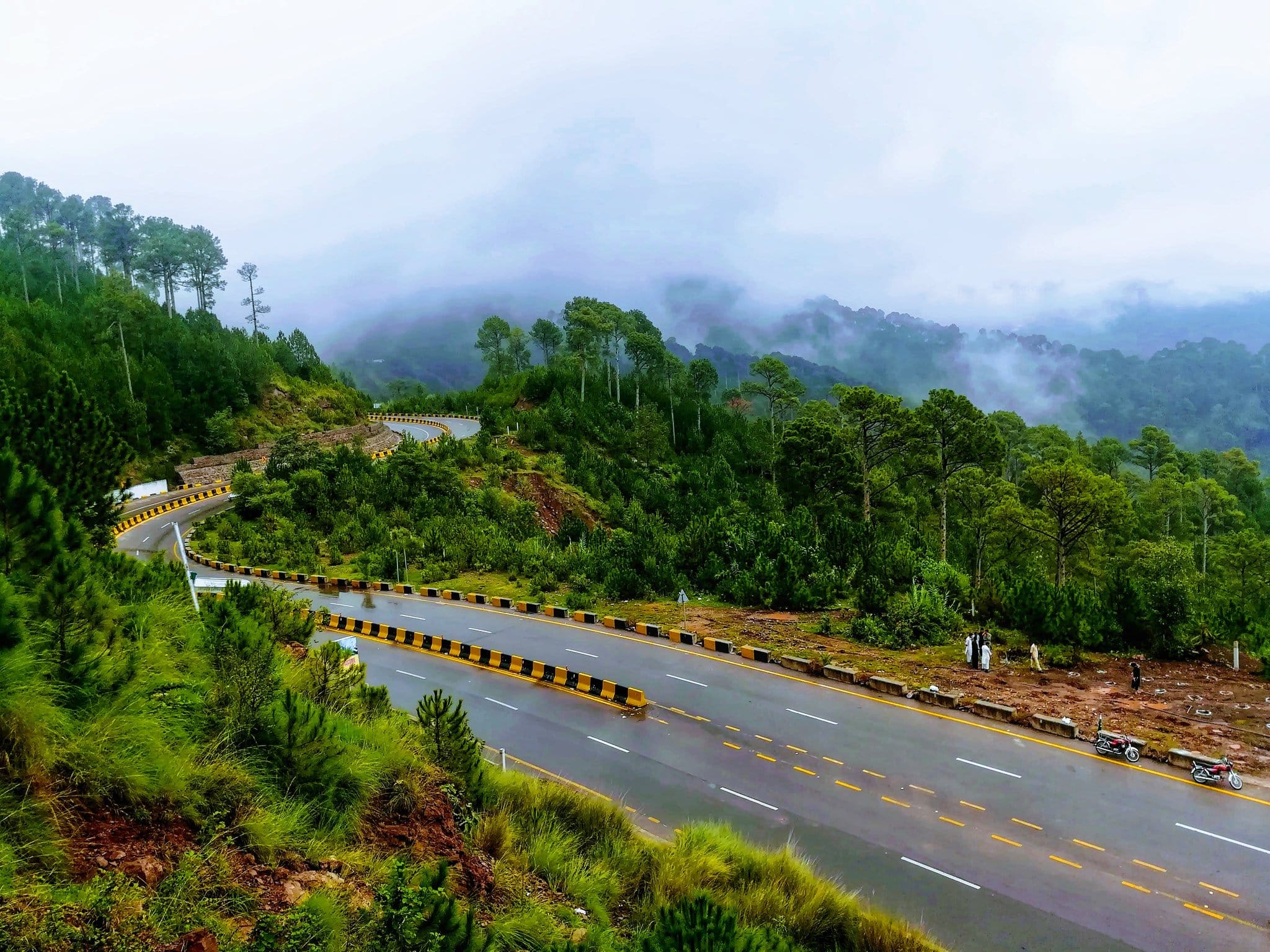
Murree is one of the most popular hill stations in the Galiyat region of the Himalayas, renowned for its breathtaking scenic beauty, lush green hills, cool summers, and crisp winters. Established by the British in 1851, Murree has grown into a major tourist destination in Pakistan, located just about an hour’s drive from Islamabad, making it easily accessible for both local and international visitors.
Situated at an altitude ranging from 6,000 to 7,716 feet, Murree enjoys pleasant weather in the summer and frequent snowfall during the winter, making it a destination suitable for all seasons. Its rolling hills, pine forests, and panoramic vistas offer countless opportunities for nature lovers and photographers.
Murree’s combination of natural beauty, recreational activities, and vibrant local culture makes it a must-visit destination in northern Pakistan.
NATHIAGALI
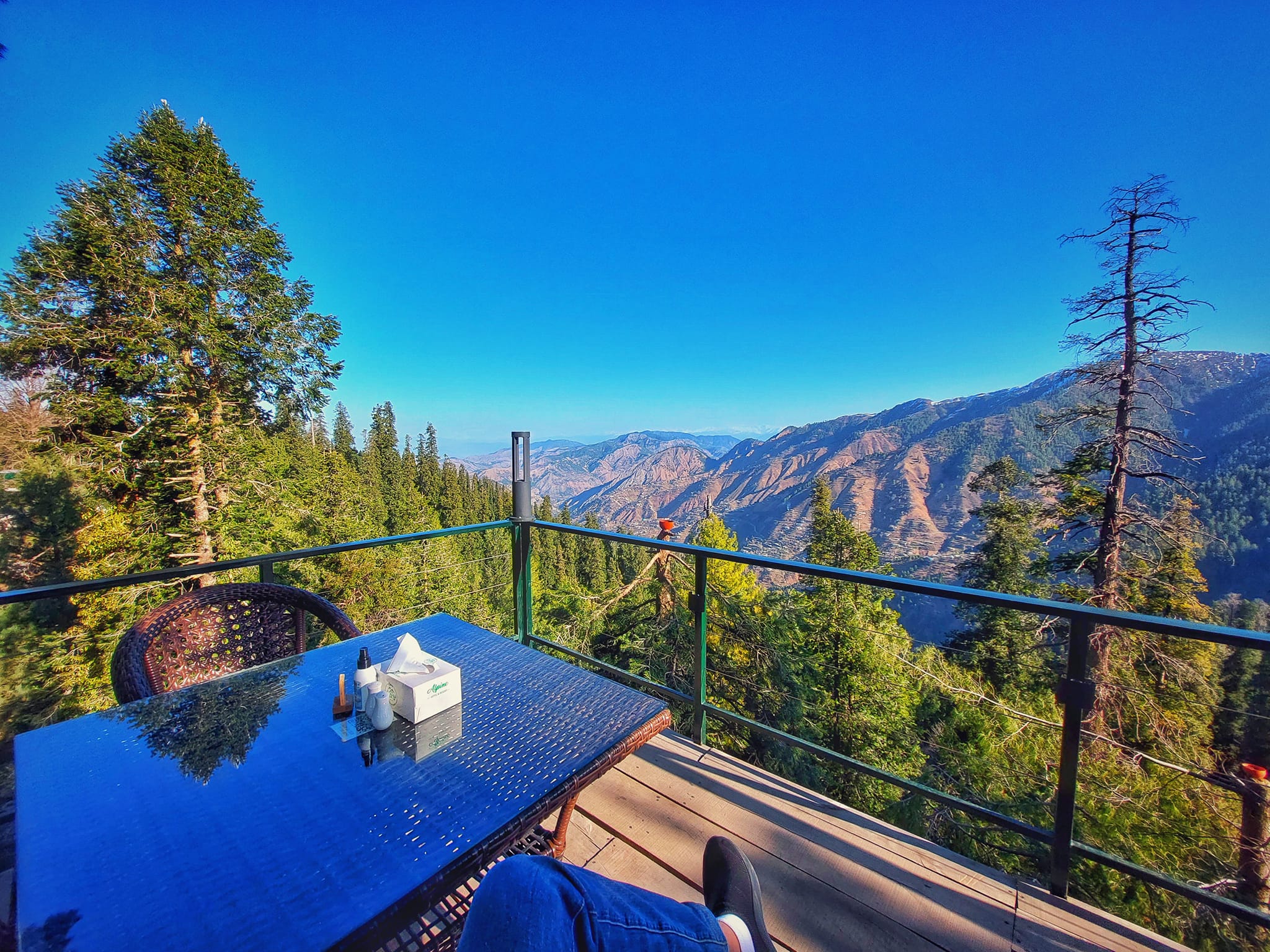
Nathiagali is a popular mountain resort town in Khyber Pakhtunkhwa, celebrated for its scenic beauty, pleasant climate, and lush green landscapes. Situated at an elevation of 8,200 feet, it lies conveniently midway between Murree and Abbottabad, making it easily accessible for tourists from both cities. Nathiagali is renowned for its cooler climate, especially during the hot summer months, which provides a refreshing escape from the plains.
The area offers numerous hiking and trekking opportunities, including the famous Mukshpuri trek and the Pipeline Track, attracting adventure enthusiasts and nature lovers alike. Visitors can also explore the Ayubia National Park, home to diverse wildlife and dense pine forests, and enjoy the region’s beautiful snowfall during winter, which transforms the town into a picturesque wonderland.
AYUBIA NATIONAL PARK
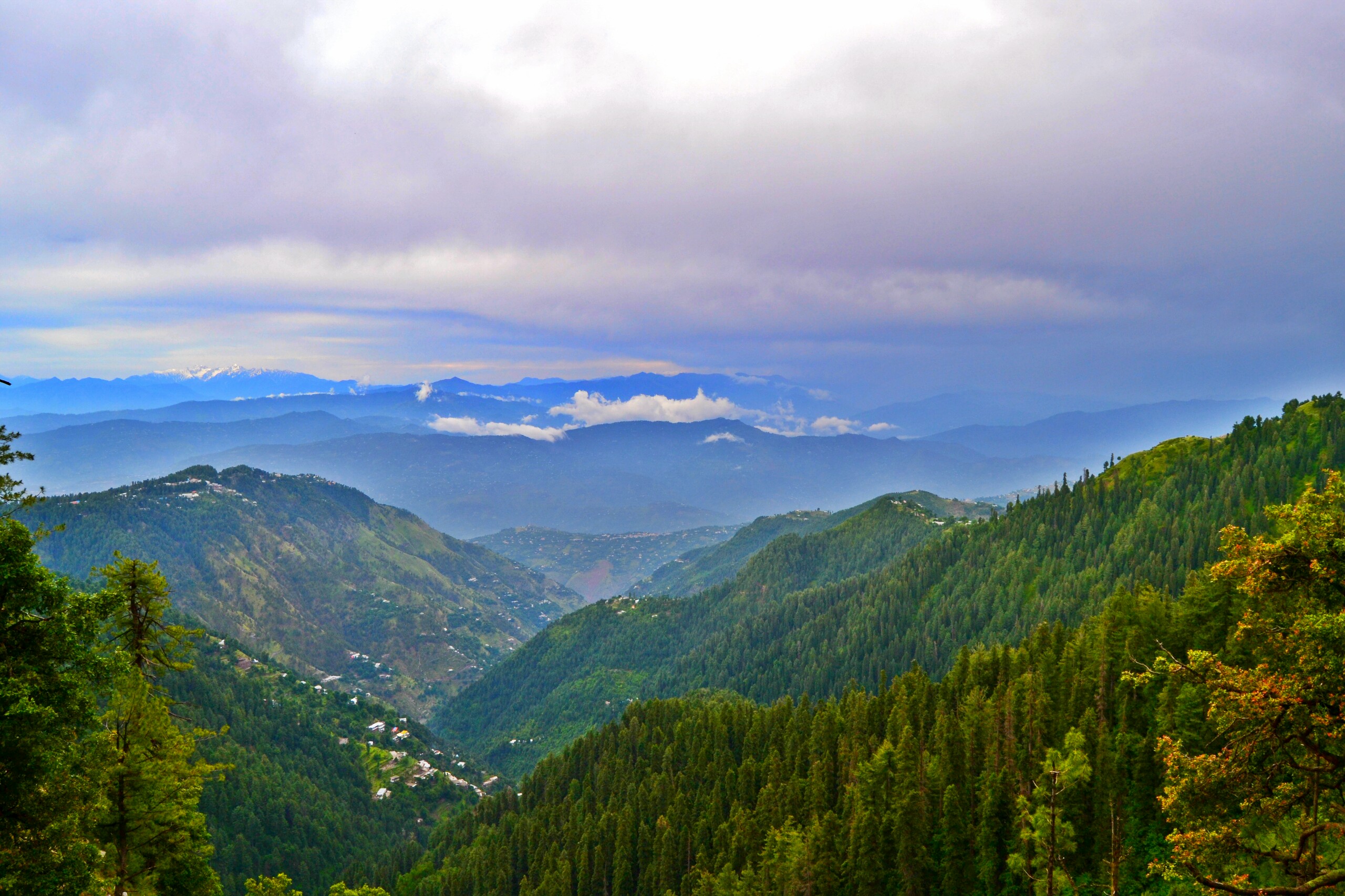
Ayubia is one of the most visited tourist destinations after Nathiagali, featuring a beautiful national park situated at an elevation of 1,050 meters above sea level. The surrounding mountains rise dramatically, with some peaks reaching up to 3,027 meters, offering stunning panoramic views of lush green valleys, dense pine forests, and rolling hills.
The area is famous for its breathtaking trekking routes, including the well-known 4 km Donga Gali track, which attracts nature lovers and adventure enthusiasts from all over. Ayubia is also rich in wildlife, with chances to spot animals such as leopards, monkeys, and various species of birds, making it a haven for photographers and wildlife enthusiasts.
The region is made up of four charming hill stations: Ghor Daka, Khanspur, Gali Changla, and Khairagali, each offering unique scenic beauty, pleasant weather, and a peaceful retreat from city life.
KOHALA BRIDGE
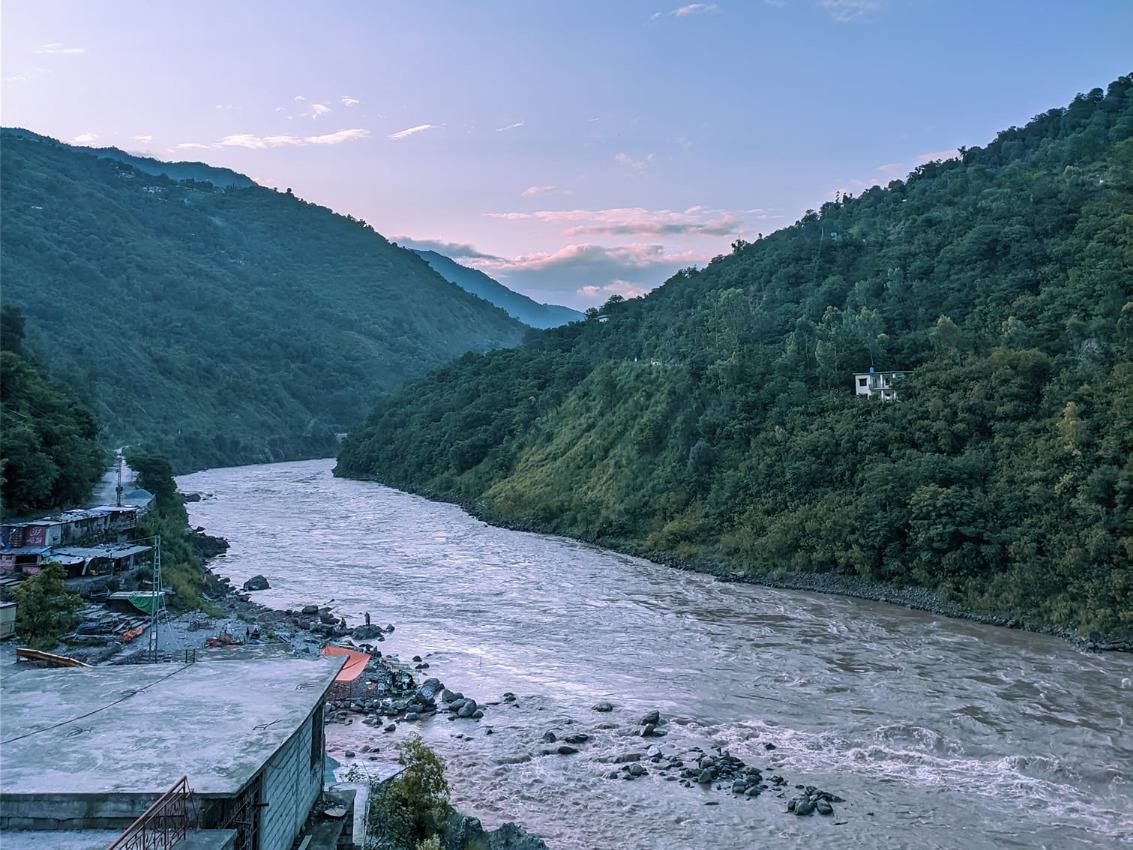
Kohala Bridge serves as an important gateway linking Azad Jammu and Kashmir with Murree and Islamabad. Situated over the picturesque Neelum River, the bridge offers breathtaking views of flowing waters, surrounding hills, and lush green landscapes. Due to its strategic location, Kohala Bridge has become a popular scenic stopover for tourists traveling from Islamabad, Rawalpindi, Murree, and nearby regions toward Azad Kashmir.
The area around Kohala Bridge is well known for its riverside restaurants and cafés, where visitors can relax while enjoying the cool breeze and panoramic river views. Photography enthusiasts often stop here to capture the natural beauty of the river and mountains, especially during sunrise and sunset. The region is also famous for its fresh white trout fish, considered a local delicacy and a must-try for visitors.
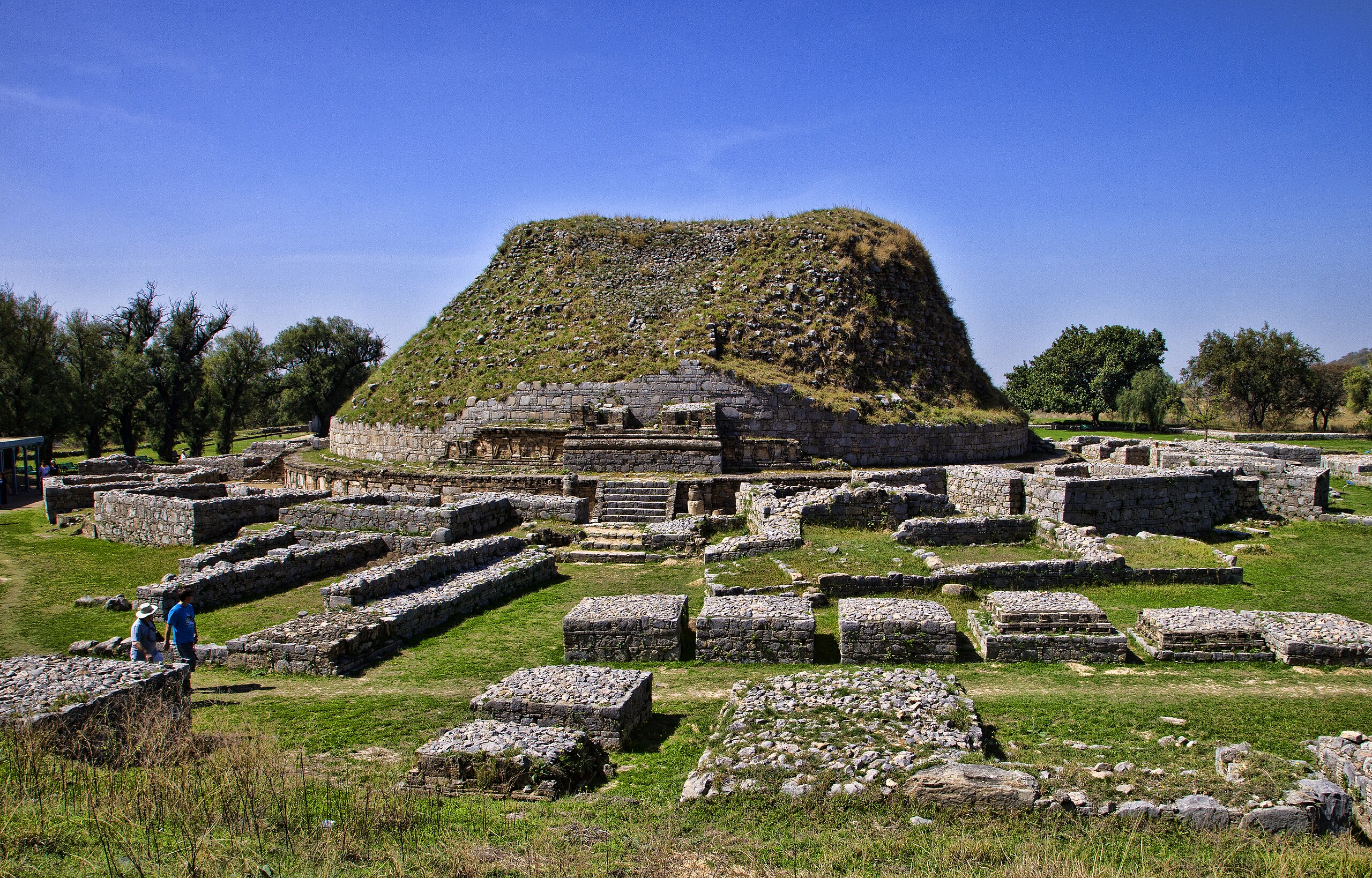
Taxila
Taxila or Takshashila (“City of Cut Stone” or “Takṣa Rock”) is one of the subcontinent’s greatest cultural and historical treasures, and was once a prominent city of the ancient kingdom of Gandhara. The ruins of Taxila are located about 30 km north of Islamabad/Rawalpindi, just off the famous Grand Trunk Road. From the 5th century BC to the 6th century AD, Taxila flourished as a major Buddhist center of learning, attracting scholars, monks, and students from across Asia. It played a vital role in the spread of Buddhist philosophy, art, and education, particularly the Gandhara school of art, which blended Greek and South Asian traditions.
The renowned archaeologist Sir Alexander Cunningham rediscovered the ruins of Taxila in the mid-19th century. In 1980, Taxila was declared a UNESCO World Heritage Site, and in 2006 it was ranked as the top tourist destination in Pakistan by The Guardian newspaper.